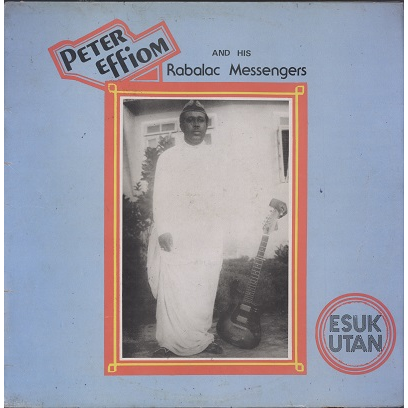
Peter Effiom and his Rabalac Messengers esuk utan
Entertainment Content and Popular Media: The Digital Pulse of Modern Culture
The media and entertainment landscape of 2026 is defined by a shift toward simplicity, authenticity, and immersive experiences. As traditional linear TV continues to decline, the industry is converging into a unified ecosystem where video, gaming, and social interaction overlap. 1. Key Market Figures for 2026
The impact of popular media on society is multifaceted. On one hand, it provides a platform for marginalized voices to be heard, promotes diversity and inclusion, and fosters creativity and innovation. On the other hand, it can perpetuate stereotypes, fuel consumerism, and contribute to the spread of misinformation.
Influencers have reshaped popular media by merging lifestyle, advertising, and entertainment into a seamless stream. When MrBeast gives away a private island or a beauty guru reviews a eyeshadow palette, they are generating entertainment content that is also, simultaneously, a commercial. This blurring of lines is the new normal. Gen Z does not distinguish between a Marvel movie and a YouTube video essay; they are both just "content."
Perhaps the strangest development in the last five years is the explosion of reaction content. We have moved from creating art to consuming the consumption of art.
The Architecture of Modern Leisure: Entertainment Content and Popular Media
Modern entertainment doesn't stop when the credits roll. We are living in the age of the Cinematic Universe and Transmedia Storytelling. A popular media franchise today often spans across: Feature Films Limited Series Video Games Podcasts and AR Experiences