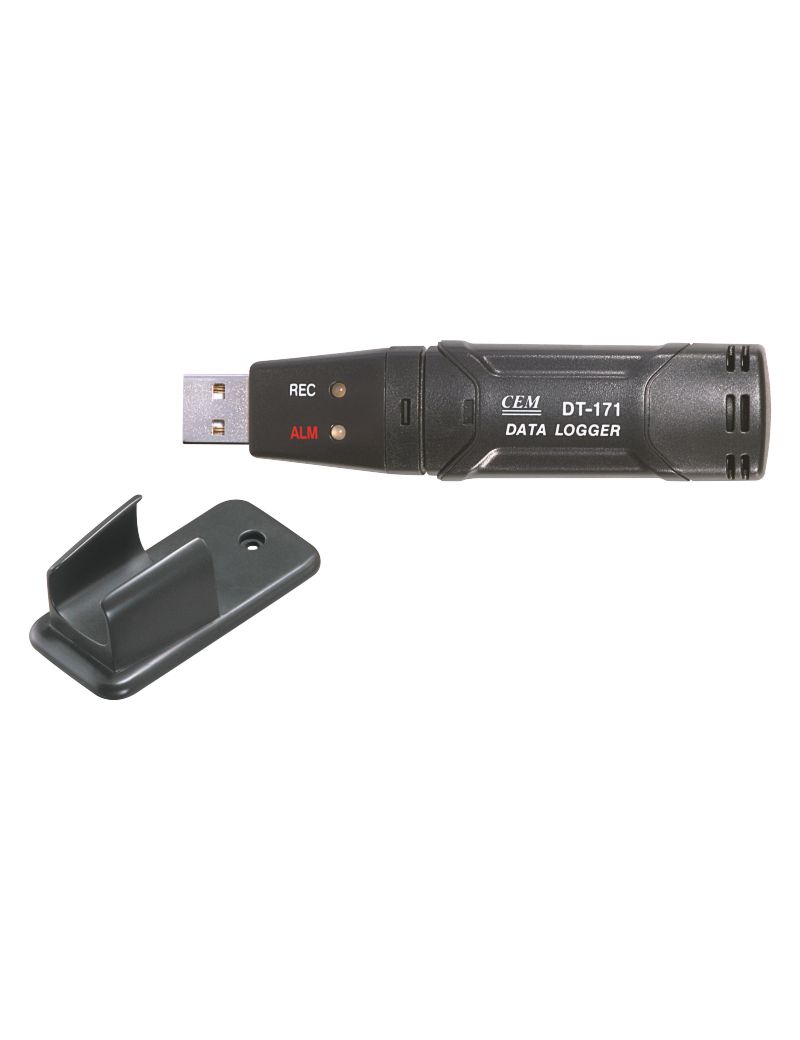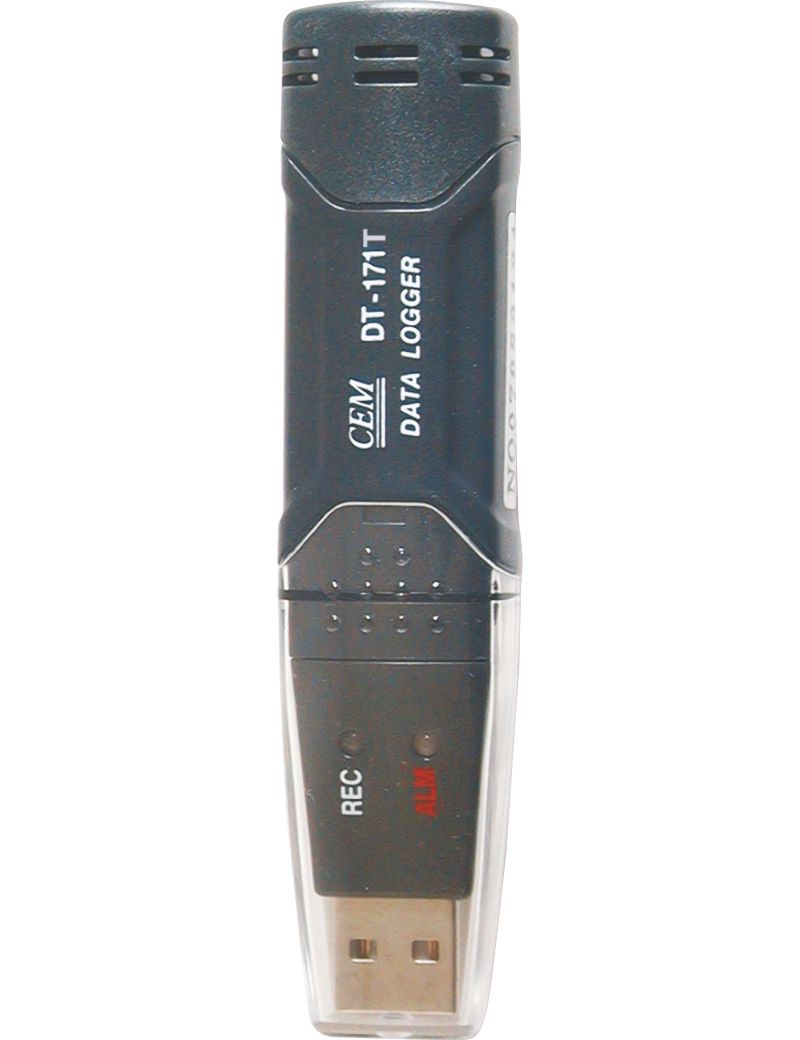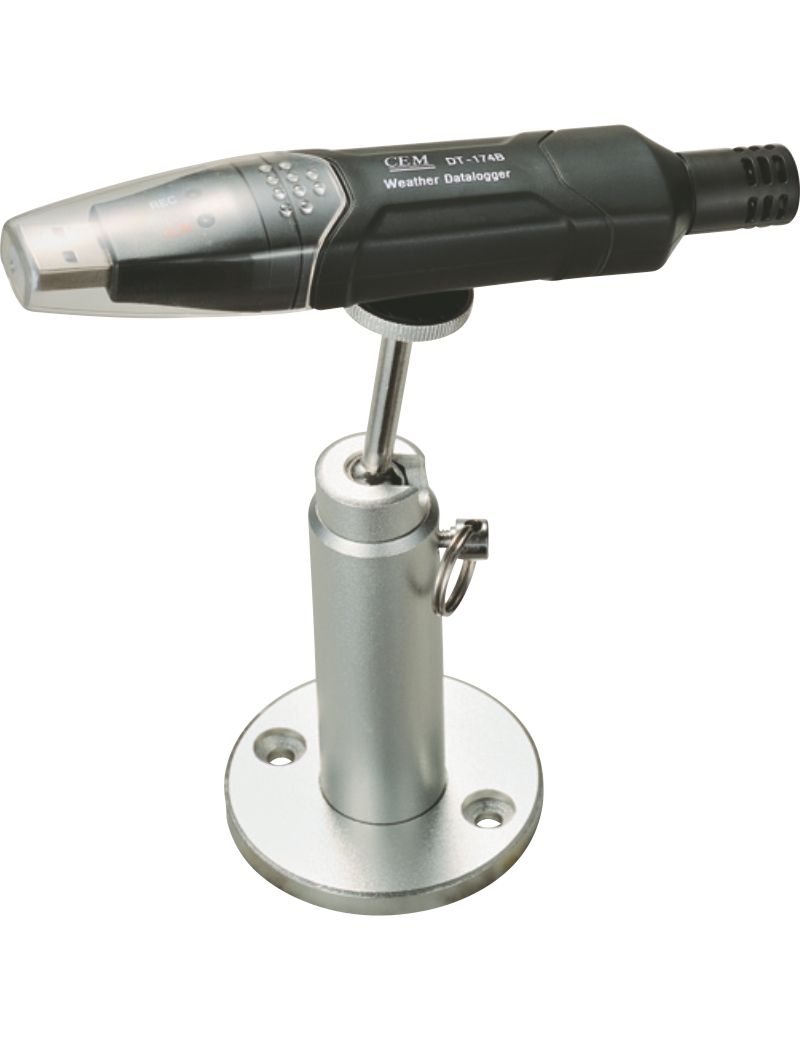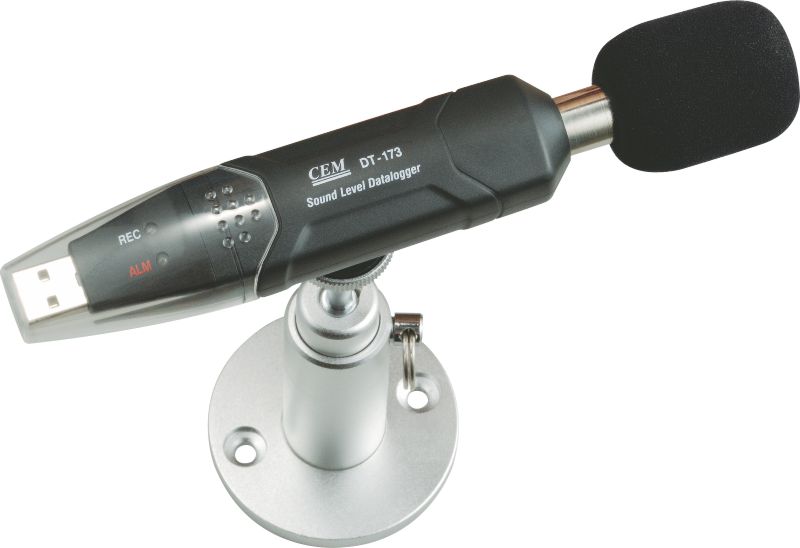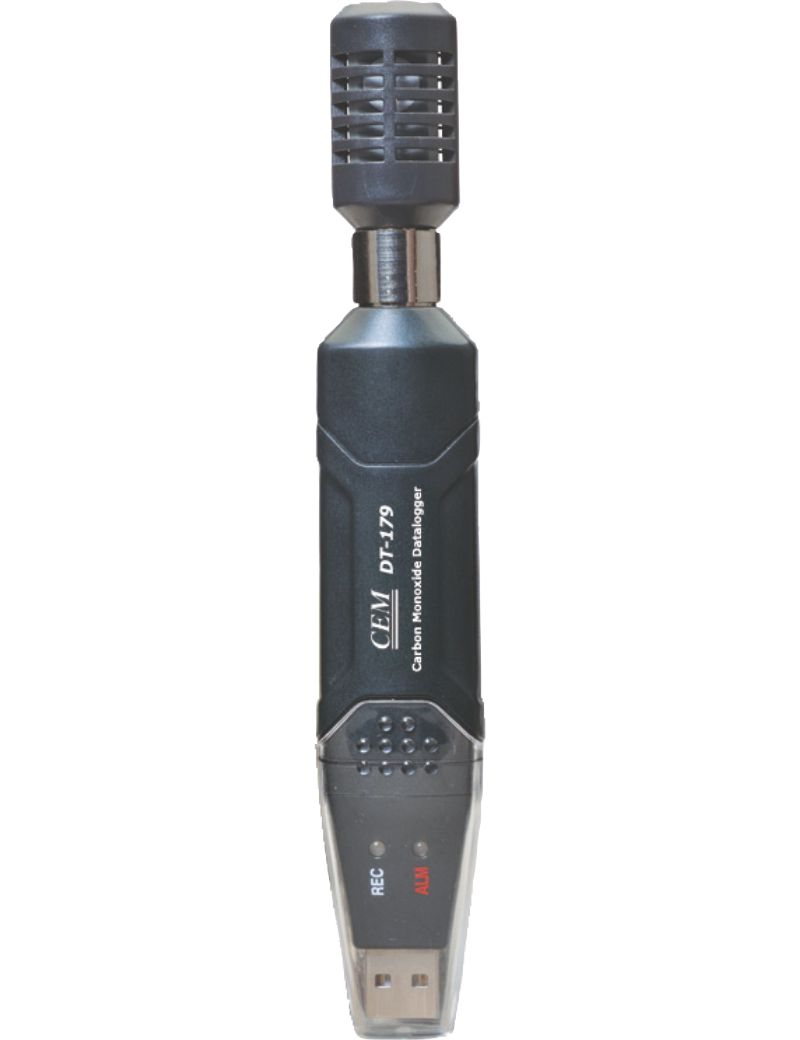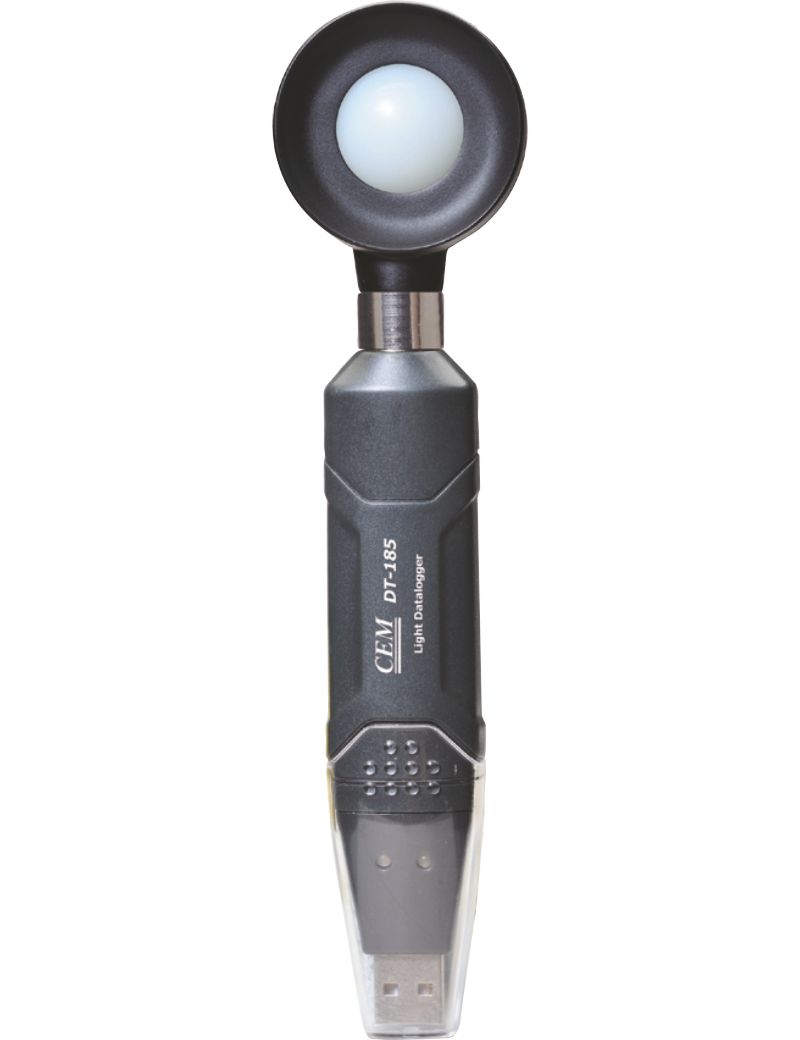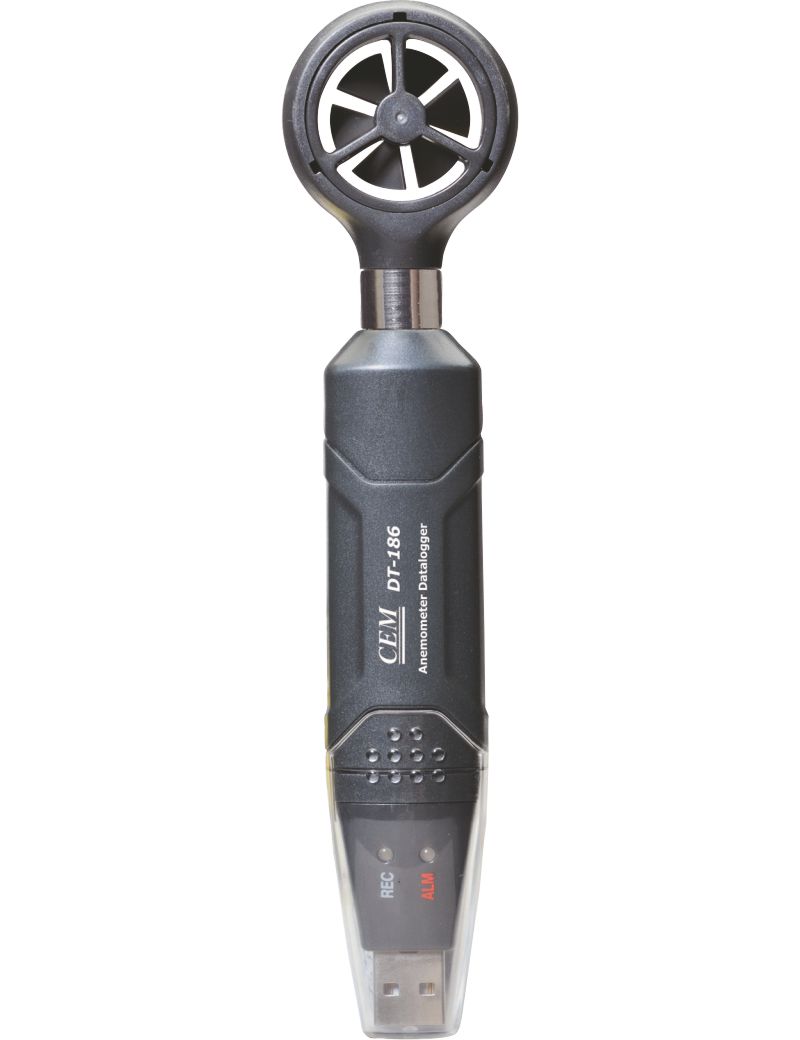
The CEM DT-172 is a smart data logger with internal sensors for both humidity and temperature. All values are shown in the display, that is present, max., min. and time. The logger is perfect for many different applications like office environment or temperature controlled transportation or clean rooms. The loggings are stamped with time and date and the large memory enables logging of 16,000 data sets.
In the software alarms limits can be programmed and the loggings are easily transferred and printed as graph or list.
The CEM DT-172 is delivered ready to use with battery, wall mount, software, USB cable and manual.
From the neon-lit streets of Akihabara to the quiet intensity of a traditional tea house, the Japanese entertainment industry is a masterclass in blending the ancient with the ultra-modern.
- Golden Age (1950s–60s): Akira Kurosawa (Seven Samurai), Yasujirō Ozu (Tokyo Story), Kenji Mizoguchi.
- Modern Cinema: Hirokazu Kore-eda (Shoplifters, Monster), Takashi Miike (cult/horror), anime films (Makoto Shinkai’s Your Name.).
- Genres: J-Horror (Ring, Ju-On), Yakuza films, samurai epics (chanbara), and quirky indies.
- Distribution: Strong domestic box office; Hollywood has ~30–40% market share (lower than most countries).
Part 3: Fan Culture and Participation
- Oshi (推し): Your favorite member in an idol group. Fans declare "oshi" and support them exclusively.
- Uchiwa (扇子): Decorated fans waved at concerts with names/messages for performers.
- Penlights (ペンライト): Color-changing lights used in synchronized concert routines.
- Seiza & Call-and-Response: Audiences sit formally during some performances (e.g., kabuki, rakugo) but chant/choreograph along in idol concerts.
- Doujinshi (同人誌): Self-published fan comics, sold at events like Comiket (Comic Market). Legal gray area but tolerated as "practice" for aspiring manga artists.
The industry is also shifting towards more diverse and inclusive representation, with greater emphasis on LGBTQ+ issues and disability rights. For example, the Japanese idol group, WAGGGS, is an all-female group that promotes feminist and LGBTQ+ values.
Japan’s entertainment landscape is a unique blend of high-tech innovation and deeply rooted tradition. From the global dominance of anime to the neon-lit karaoke boxes of Tokyo, the industry is built on a foundation of "precise, punctual, patient, and polite" cultural values
Anime and Manga are the undisputed heavyweights of Japan’s cultural exports. Unlike Western cartoons, which were historically viewed as children's media, Japanese animation explores complex themes like existentialism, environmentalism, and social isolation. Icons like Studio Ghibli have elevated the medium to high art, while franchises like Demon Slayer drive a massive global merchandise and tourism industry. The Idol Phenomenon and Music
Manga (comics) and anime (animation) remain Japan's most ubiquitous exports. This industry has transitioned from a niche hobby to a core identity for Gen Z globally, fueled by streaming platforms and online fandoms. Inside Japan Tours The "Big Four" Studios : The film industry is dominated by , which collectively shape the country's cinematic output. Cultural Identity