Proqramı quraşdır
və operatorla danışmadan
taksi sifariş et


və operatorla danışmadan
taksi sifariş et
Bizimlə asan və rahatdır

Avtomobilin ən qısa
müddətə çatdırılması

Biz səfərlərə ən yaxşı
qiymət təklif etməyə çalışırıq

Gediş haqqını nağd
və ya kartla ödəyin
Təyinat nöqtəsinə tez və ucuz çatmağınıza kömək edəcəyik









Heç bir cədvəl və müdir yoxdur
Tətbiqdən ilk müştəriyə — bir neçə dəqiqə
Vəsaitin balansdan
dərhal çıxarılması
İstədiyiniz vaxt qazanın, yalnız sifarişləri tamamlayın yol boyunca
Daha çox qazanmağa imkan verir
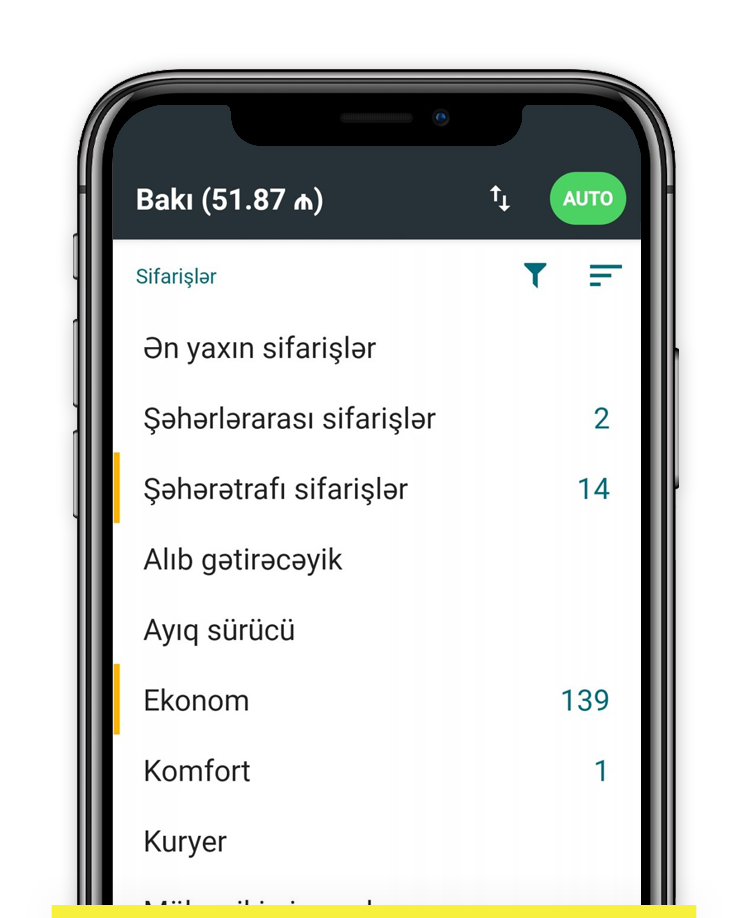
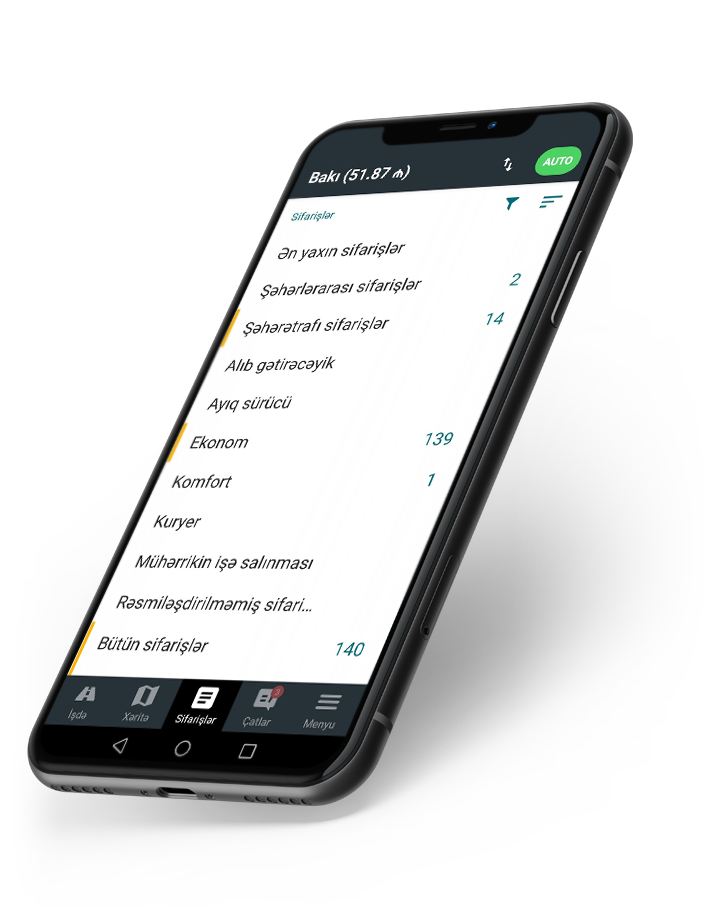
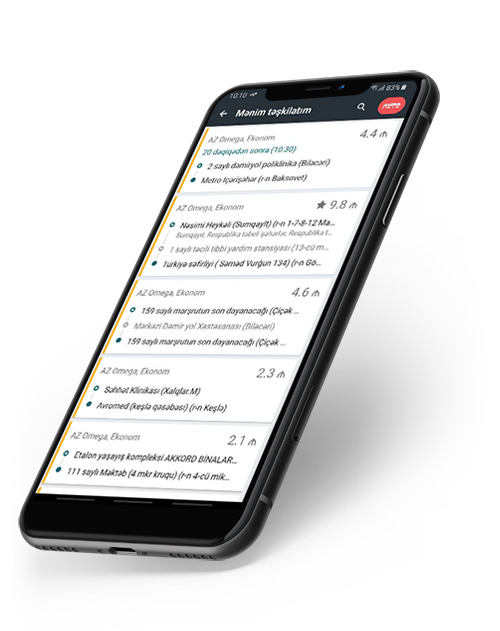
Qazanmaq üçün mobil tətbiq yaxınlıqdaki sifarişləri təqdim edəcək, marşrut quracaq və ətraflı gəlir hesabatını tərtib edəcək
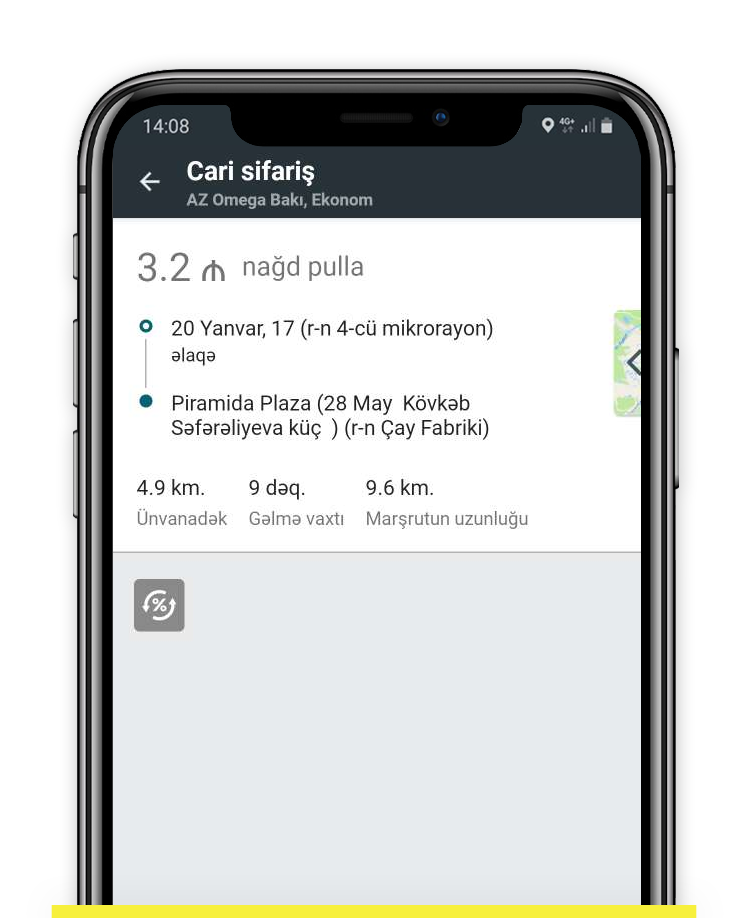
Səfərin qiyməti pik saatlarda arta bilər. Qazancı çoxaltmaq üçün ən yaxşı an.
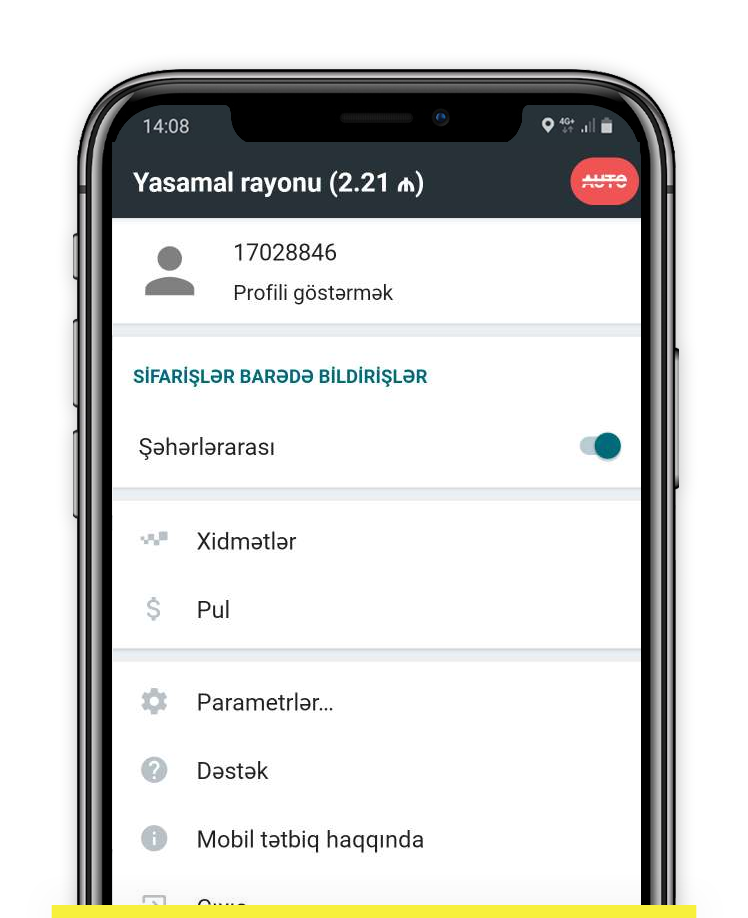
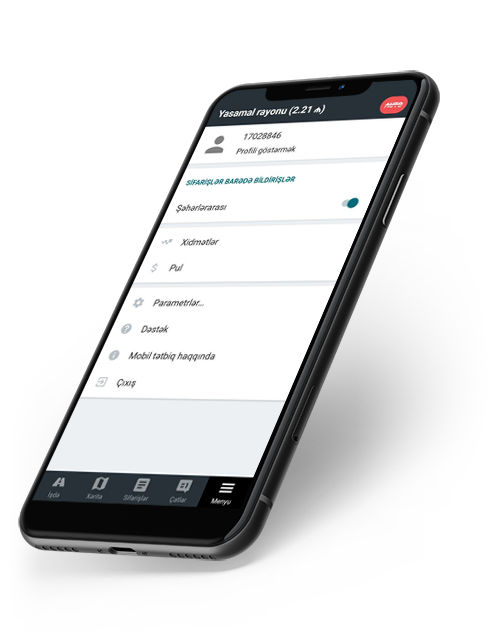
Şəhərlərarası sifarişləri yerinə yetir və daha çox qazan
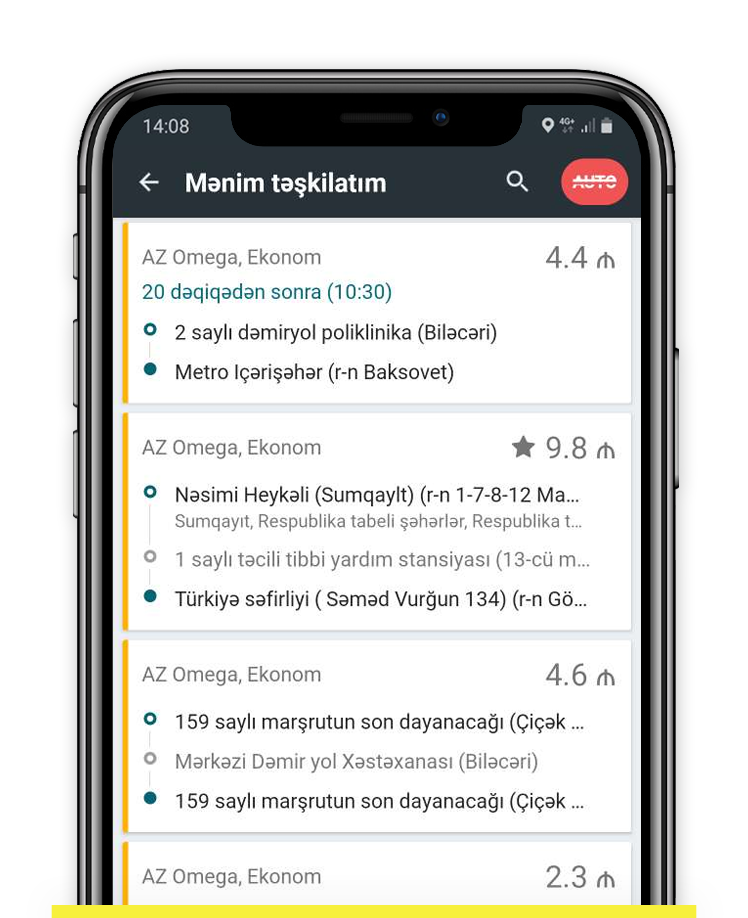
Rahat sifarişləri seçin. Başlanğıc və bitmə ünvanları əvvəlcədən bilinir

The Invisible Upgrade: DLSS and the Resurrection of Far Cry 4
Far Cry 4 does not natively support NVIDIA DLSS, having been released in 2014, though it features legacy NVIDIA GameWorks technologies like HairWorks, HBAO+, and PCSS. Players can implement upscaling through third-party tools such as DLSS Enabler or utilize NVIDIA Image Scaling, though official support is not available. For more information on performance, visit NVIDIA. Far Cry 4 Graphics, Performance & Tweaking Guide - NVIDIA far cry 4 dlss
For a game released in 2014, Far Cry 4 remains a visually striking benchmark for open-world design. However, as modern display resolutions push toward 4K and beyond, even the lush peaks of Kyrat can strain hardware that was once considered top-tier. While Far Cry 4 does not natively support NVIDIA’s Deep Learning Super Sampling (DLSS), the emergence of DLSS as a transformative technology has sparked a retrospective "what-if" and fueled community efforts to bridge the generational gap through "Neural Rendering" and modern driver-level overrides. The Native Landscape: A Technical Snapshot The Invisible Upgrade: DLSS and the Resurrection of
Native 4K with maxed-out settings can bring an RTX 3060 to its knees, dropping frames into the 40s. But with DLSS, even a mid-range card can hit a silky-smooth 144 FPS. DLSS Quality (4K output): Looks nearly identical to native
| Setting | Native 1440p (Ultra) | Native 1440p (Ultra + SMAA) | DLSS Balanced (1440p Output) | DLSS Quality (4K Output) | | :--- | :--- | :--- | :--- | :--- | | Average FPS | 62 | 48 | 94 | 71 | | 1% Low FPS | 44 | 32 | 71 | 53 | | VRAM Usage | 6.7 GB | 7.1 GB | 4.1 GB | 4.9 GB | | Render Latency | 28 ms | 34 ms | 19 ms | 22 ms |
| Technology | How to Enable | Quality | Performance Gain | |------------|--------------|---------|------------------| | NVIDIA NIS | NVIDIA Control Panel → Manage 3D Settings → Image Scaling → On (sharpening 50%) | Good (spatial) | High | | AMD FSR 2.1/2.2 | Use OptiScaler or dlss2fsr mod (replace d3d11.dll) | Very good (temporal) | High | | DLSS (fake) | OptiScaler with DLSS option (requires DLSS .dll but no actual tensor cores used) | Fair | Medium | | DSR + DLSS | Use DSR to render higher res, then DLDSR (if available) – overkill | Excellent | Low |