Keystxt For Cemu Better __exclusive__ -
1
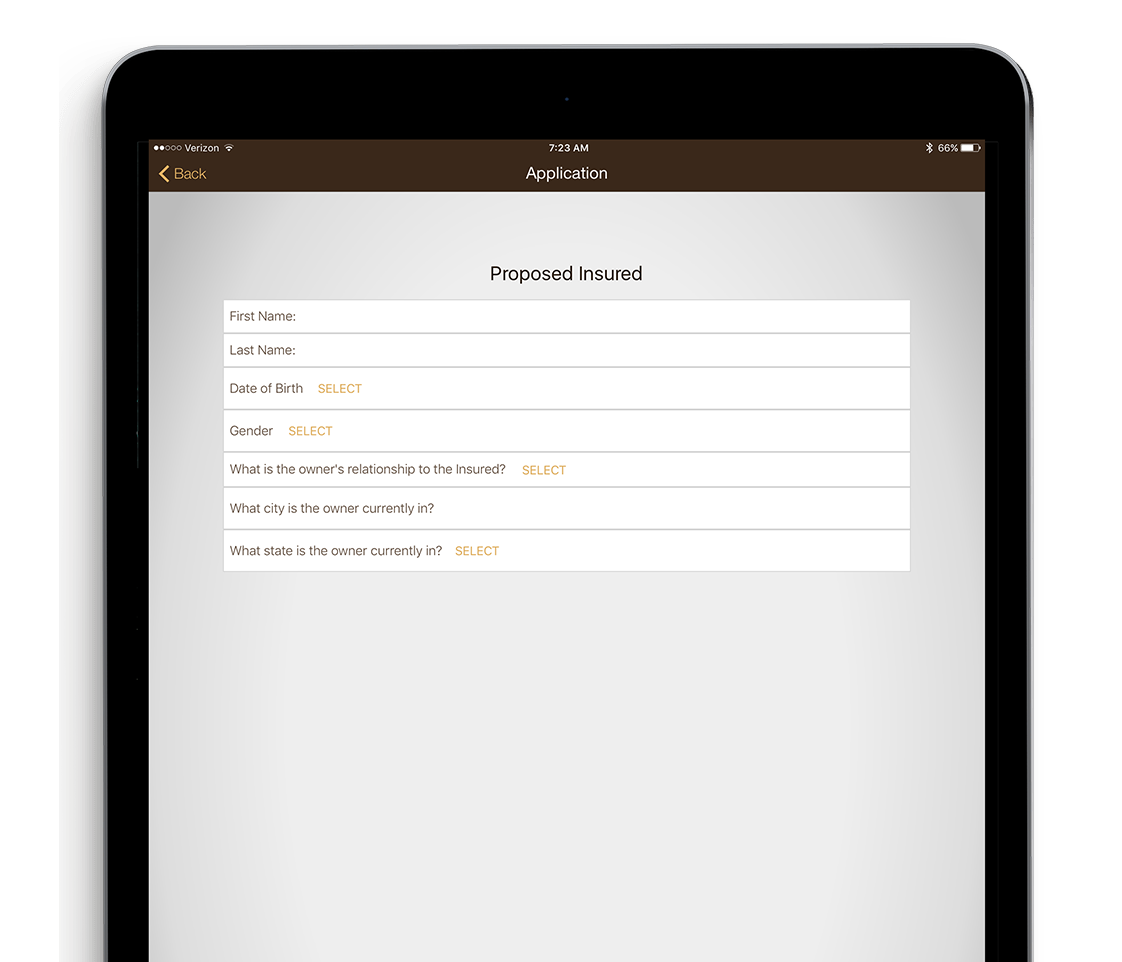
Qualify the client by gathering their personal information, medical history, prescriptions, and tobacco or nicotine usage history. This is all gathered by following the App's built-in presentation.
In the world of Wii U emulation, the keys.txt file serves as the vital link between a static game file and a playable experience on the Cemu emulator. While it may seem like just another text document, its presence—or absence—defines how a user interacts with encrypted game formats like .WUD and .WUX. This essay explores why managing the keys.txt file correctly is essential for a "better" Cemu experience, focusing on its technical necessity, its role in the legal landscape of emulation, and the shifting preference toward decrypted file formats. The Role of Decryption Keys
Dumping from your Wii U: Use homebrew tools like Tik2SD on a modded console to extract keys from your own physical discs or digital installs.
Ultimately, the optimization of the keys.txt file is about bridging the gap between raw hardware security and software flexibility. By maintaining a clean, well-formatted document that includes the Wii U Common Key and the specific Title Keys for one’s library, a user ensures maximum compatibility with the emulator's core engine. While the industry trends toward more user-friendly, decrypted alternatives, the mastery of the keys.txt system remains a hallmark of a sophisticated emulation setup, providing the necessary toolkit to explore the Wii U’s library in high definition and enhanced frame rates.
keys.txt in the root Cemu folder.Additional resources
Game Keys: These are unique keys for specific individual games. How to Get the Best keys.txt Setup

In the world of Wii U emulation, the keys.txt file serves as the vital link between a static game file and a playable experience on the Cemu emulator. While it may seem like just another text document, its presence—or absence—defines how a user interacts with encrypted game formats like .WUD and .WUX. This essay explores why managing the keys.txt file correctly is essential for a "better" Cemu experience, focusing on its technical necessity, its role in the legal landscape of emulation, and the shifting preference toward decrypted file formats. The Role of Decryption Keys
Dumping from your Wii U: Use homebrew tools like Tik2SD on a modded console to extract keys from your own physical discs or digital installs. keystxt for cemu better
Ultimately, the optimization of the keys.txt file is about bridging the gap between raw hardware security and software flexibility. By maintaining a clean, well-formatted document that includes the Wii U Common Key and the specific Title Keys for one’s library, a user ensures maximum compatibility with the emulator's core engine. While the industry trends toward more user-friendly, decrypted alternatives, the mastery of the keys.txt system remains a hallmark of a sophisticated emulation setup, providing the necessary toolkit to explore the Wii U’s library in high definition and enhanced frame rates. In the world of Wii U emulation , the keys
keys.txt in the root Cemu folder.Additional resources
Game Keys: These are unique keys for specific individual games. How to Get the Best keys.txt Setup Get keys only from your own console or
Qualify the client by gathering their personal information, medical history, prescriptions, and tobacco or nicotine usage history. This is all gathered by following the App's built-in presentation.
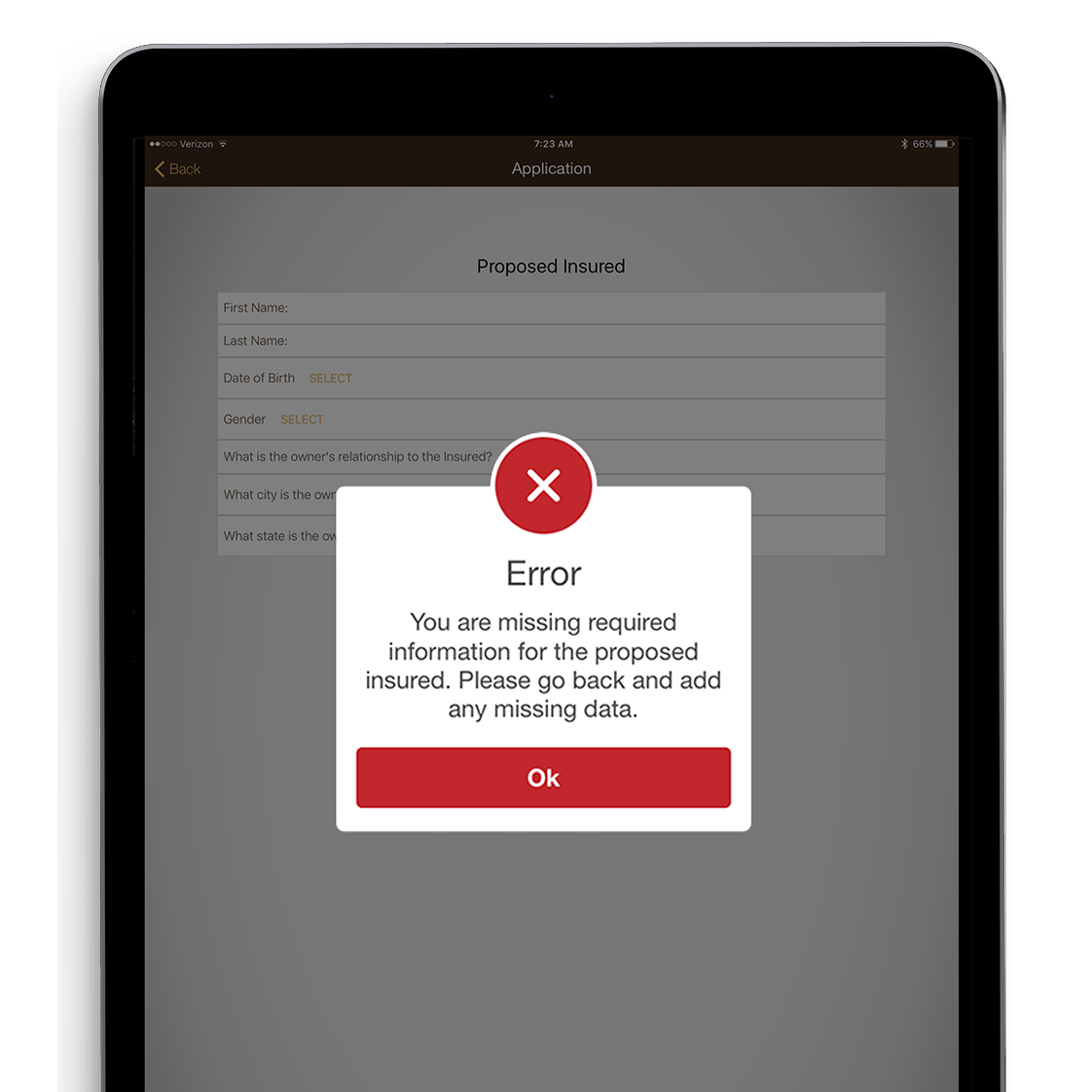
Errors are automatically detected, prompting you to make corrections to ensure that your client's information is uploaded accurately and efficiently.
Errors are automatically detected, prompting you to make corrections to ensure that your client's information is uploaded accurately and efficiently.
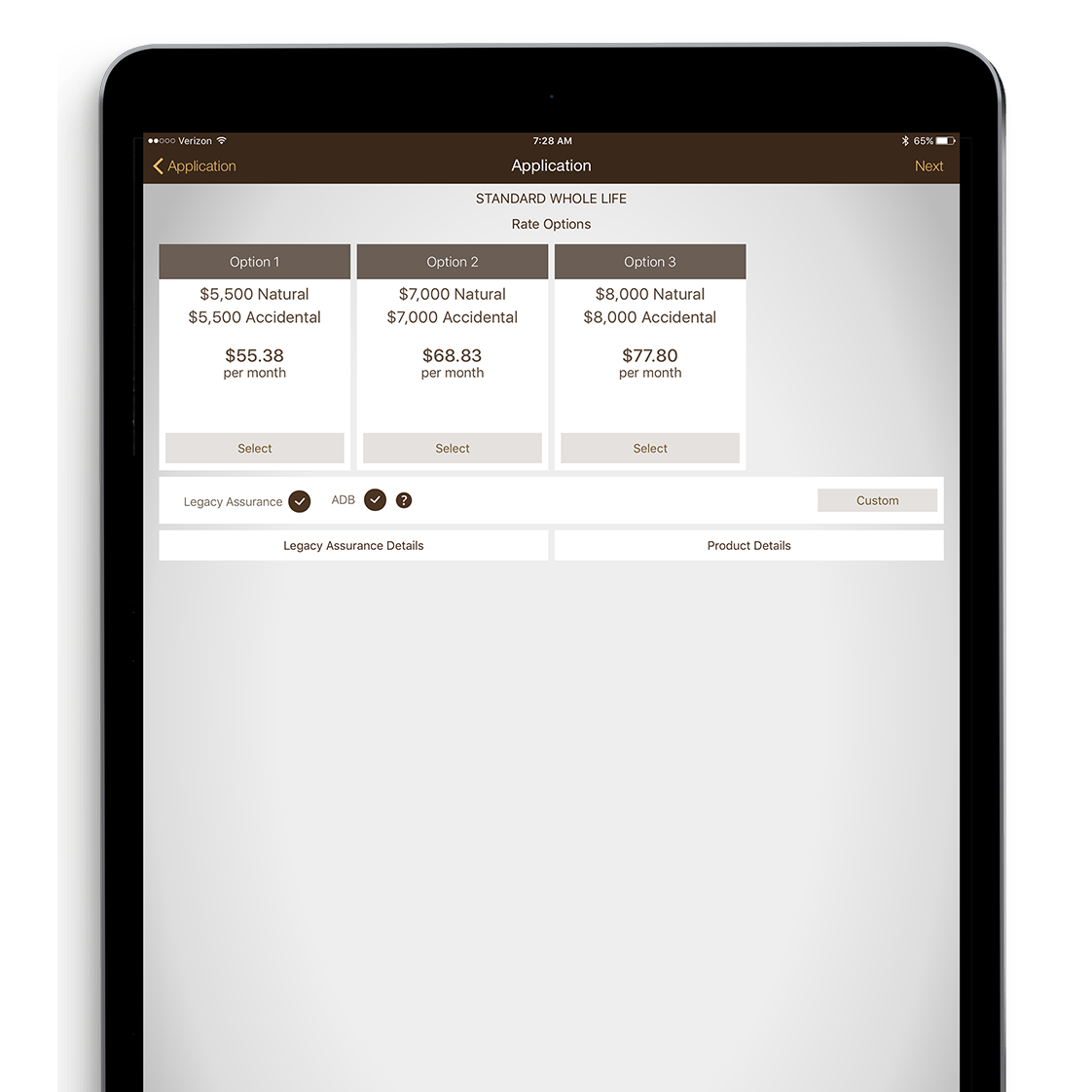
Once the client's information is collected, eligible products will be displayed, allowing you to pick and present which options would be best for the customer.
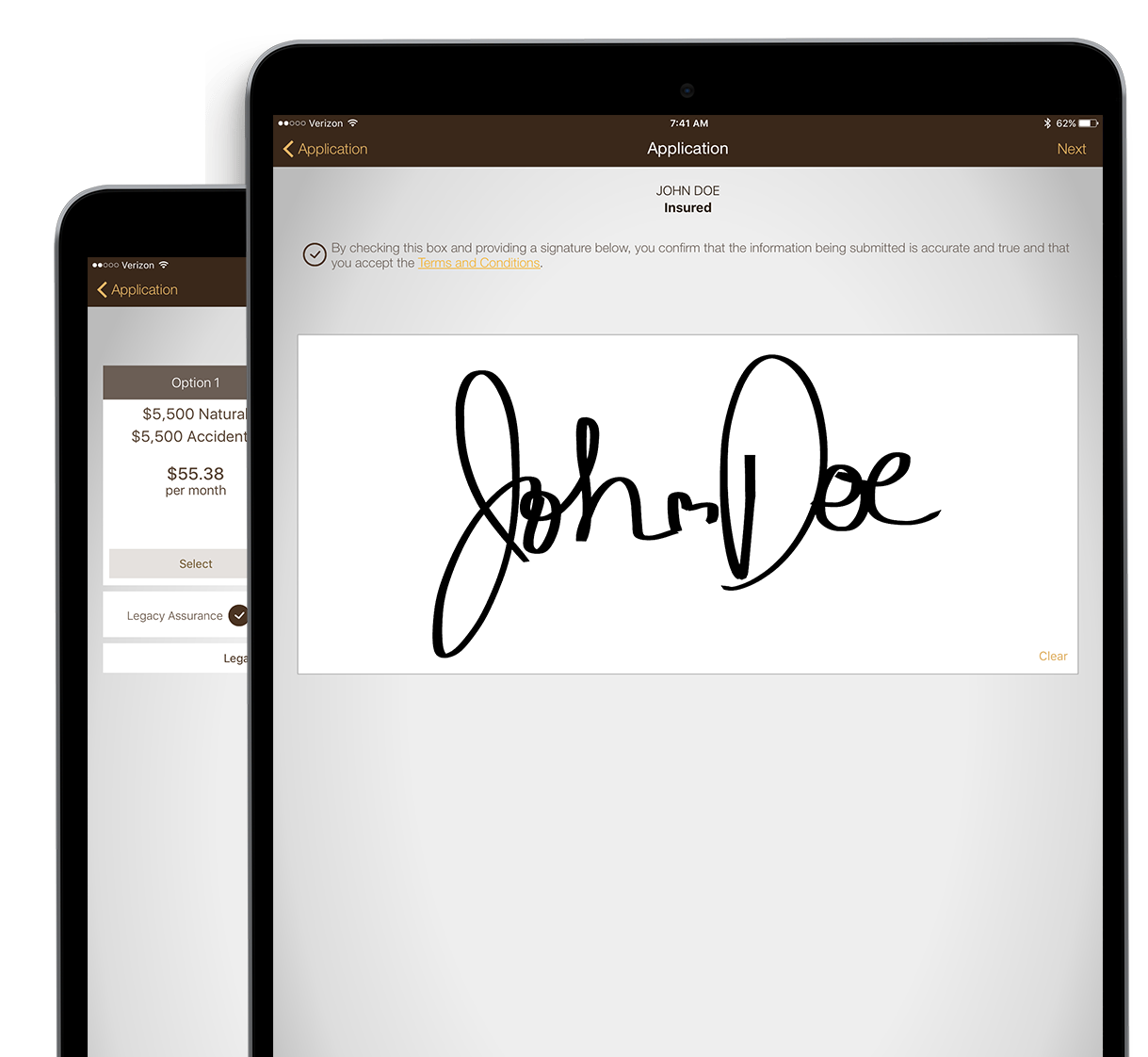
Once a plan is picked, the customer will be able to sign right on your iPad.
Once a plan is picked, the customer will be able to sign right on your iPad.
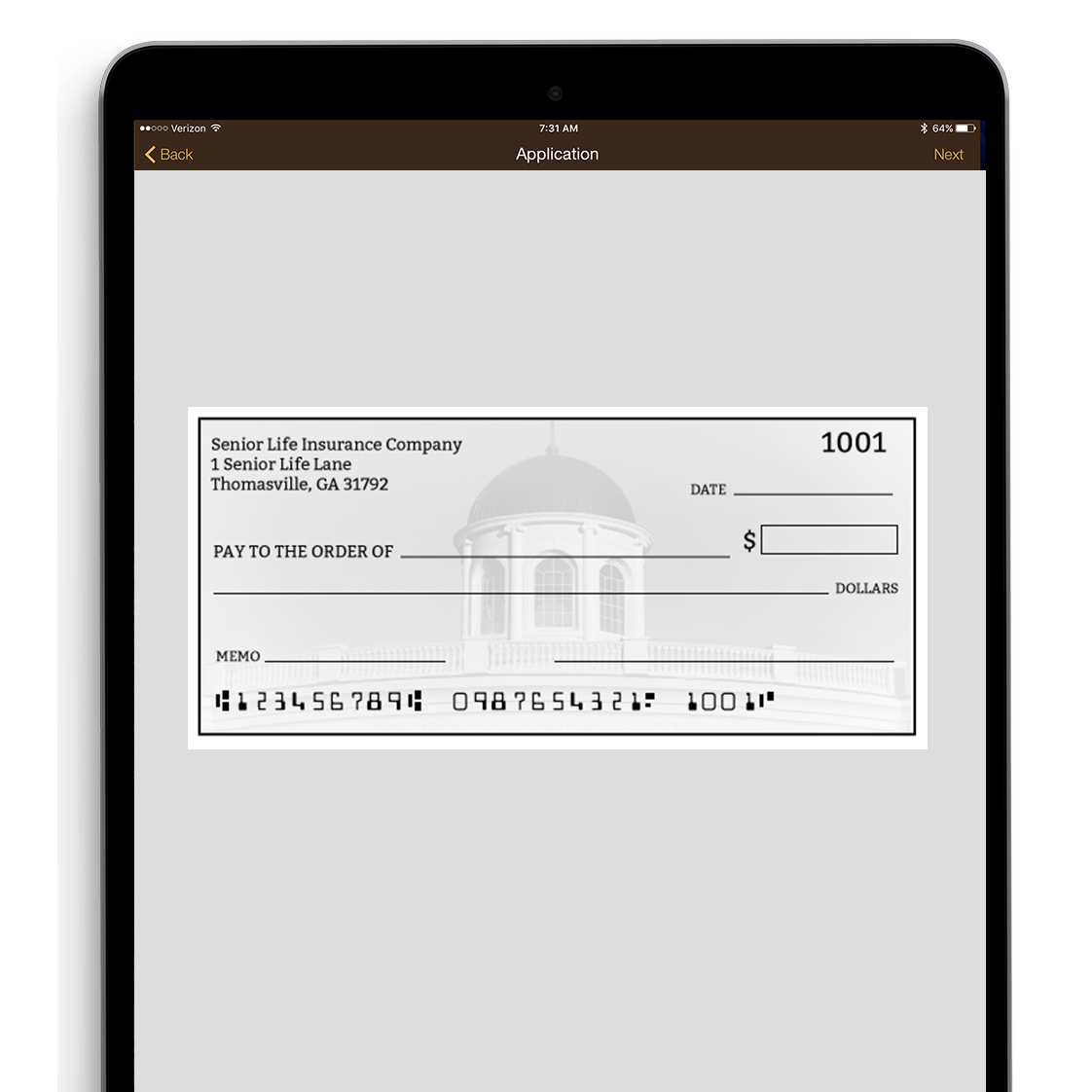
Your client's application can be instantly submitted to the Senior Life Home Office. Enjoy same-day pay when you submit a photo of a live check by 3 PM (EST). You can also check the progress of any of your applications at any time.