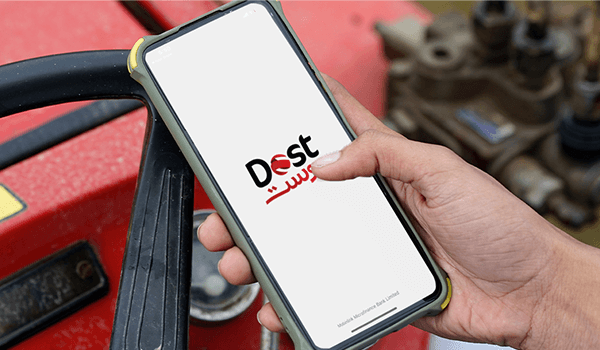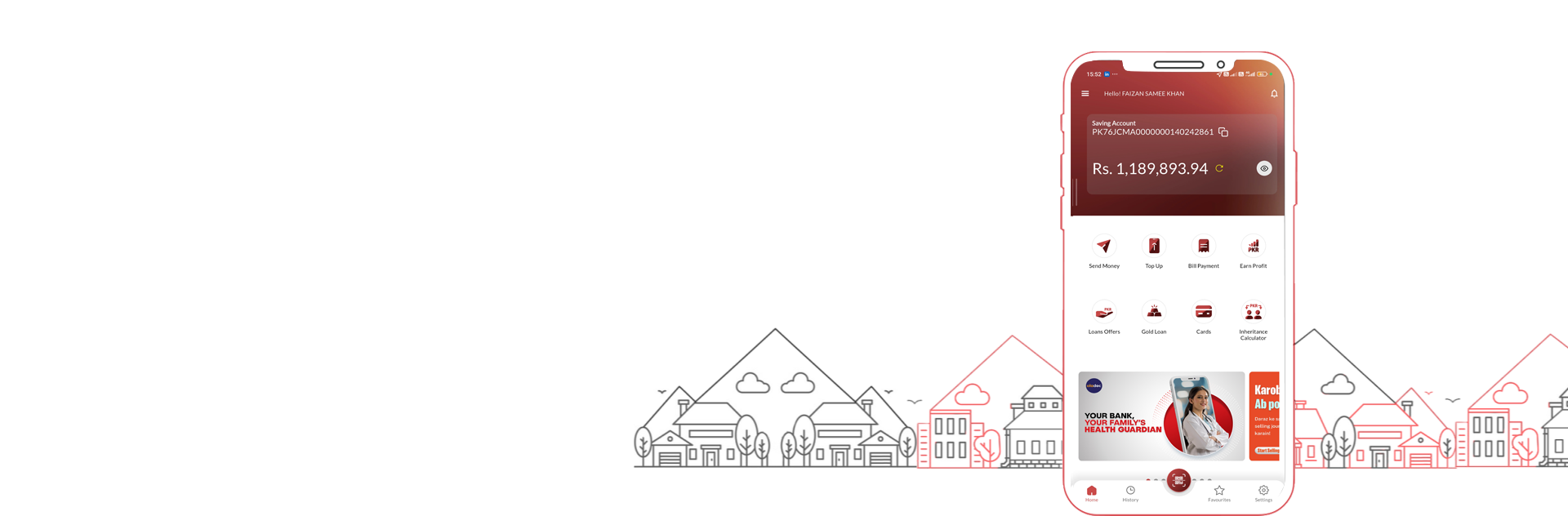
DOST App
The fields of animal behavior (ethology) and veterinary science have increasingly merged into the specialized discipline of behavioral medicine. This review outlines how understanding an animal's actions—driven by genetics, environment, and experience—is now a "standard of care" for improving welfare and clinical outcomes. 1. The Core of Behavioral Medicine
The marriage of behavior and science has also transformed the clinical experience. The "Fear-Free" movement in veterinary medicine is a prime example. By understanding species-specific signals—like the subtle lip lick of a stressed dog or the pinned ears of a horse—veterinary staff can adjust their handling techniques.
The premise is radical in its simplicity: Fear is a clinical contaminant. sexo zooskool bizarro
: The branch of medicine concerned with the prevention, control, diagnosis, and treatment of disease, disorder, and injury in animals. 2. Behavior as a Diagnostic Tool
Animal Behavior: A biological science path that explores social structures, communication, and learning in animals. The fields of animal behavior (ethology) and veterinary
Mental Health: Modern veterinary medicine recognizes that mental well-being is as critical as physical health. Behavioral consulting often addresses issues like separation anxiety or aggression, which are leading causes of pet abandonment. Applied Ethology and Animal Welfare
The vet clinic is arguably the most stressful environment a domestic animal will voluntarily enter. To a dog, the clinic smells of fear, pain, and antiseptic. To a cat, it is a territory invaded by strange smells and loud barks. Understanding animal behavior isn't just nice for the pet; it is essential for the safety of the veterinary staff and the accuracy of the diagnosis. The Core of Behavioral Medicine The marriage of
In the quirky town of Peculiaria, nestled in the heart of a lush valley, lived a young woman named Luna. She was a free-spirited artist with a passion for collecting oddities and a flair for the dramatic. Luna's life was a canvas of colorful chaos, filled with eccentric friends, peculiar pets, and a wardrobe that seemed to have been plucked straight from a Salvador Dali painting.
That wall is crumbling. Major veterinary teaching hospitals now require behavior rotations for all small animal interns. The American College of Veterinary Behaviorists (ACVB) is one of the fastest-growing specialty boards. And researchers are discovering that stress is a vector—like a virus, it spreads through shelter kennels, breeding operations, and multi-pet households, altering immune profiles and disease susceptibility.
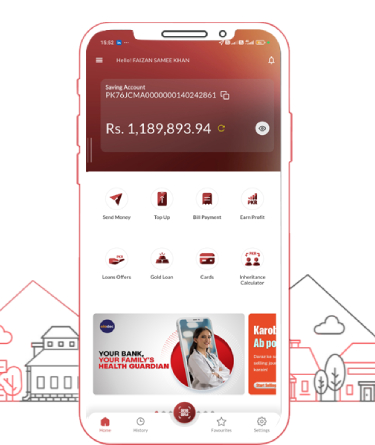
DOST application hosts a wide array of features, which are available to MMBL customers 24/7. It offers real-time access to all your account information. Key features include:
* Login/Self-Registration (Account-Based)
* Link/Delink Account.
* Account Summary
* Account Statement
* Customer Profile Management
* Demographics Update
* Money Transfer To MMBL
* Money Transfer Other Bank Accounts
* Loan Application
* Term Deposit
* Utility Bill Payment
* Mobile Top-up
* Purchasing
* Favorites Management
* Request for Instrument
* Block Cheque (Single, Series)
* Loan Summary
* Debit Card Management
* PIN Changing
* Temporary Card Blocking
* Card Unblocking
* Permanent Card Blocking
* Complaint Registration
* Branch & ATM Locator
* Password Changing/Reset