Smartermail 6919 Exploit May 2026

Well done is better than well said.

Smartermail 6919 Exploit May 2026

Surveying the SmarterMail 6919 Exploit: Understanding the Vulnerability and Its Implications

SmarterMail Under Fire: A Technical Deep Dive into the "6919 Exploit" and Mitigation Strategies

Introduction: The Whispers of a Critical Vulnerability

In the world of enterprise email hosting, SmarterMail has long been a popular choice for hosting providers and small-to-medium businesses seeking control and feature richness without the astronomical costs of Microsoft Exchange. Developed by SmarterTools, the platform boasts a loyal following. smartermail 6919 exploit

Defensive Post-Mortem: Why Your Stack Failed

If you were hit by this, don't blame the vendor entirely. Your defense-in-depth failed here: All versions from SmarterMail 16

This specific exploit class has seen a resurgence in relevance due to recent high-profile breaches. In early 2026, SmarterTools itself was breached after an outdated, unpatched VM running SmarterMail was compromised, highlighting the long-term risk of leaving legacy builds like 6919 exposed . smartermail_rce.md - GitHub Because the payload contains a malicious "gadget chain,"

Here’s what that meant in plain language: An attacker did not need a username, a password, or any prior access to the target SmarterMail server. By crafting a specially formatted HTTP POST request to a specific endpoint (often related to the importmail function or the Download.aspx handler), they could trick the server into treating a malicious file—like a web shell or a script—as a legitimate part of the email system.

Indicators of Compromise (IoC)

If you ran Build 6919 between October 2022 and January 2023, assume you are compromised. Do not just patch. Hunt for these:

  • All versions from SmarterMail 16.x to 100.x (prior to late 2021 patches) were vulnerable.
  • Public-facing SmarterMail installs (default ports 17001–17010 for HTTPS) were prime targets.
  • Hosting providers were hit hardest—a single exploit could pivot to customer mailboxes, reseller panels, and adjacent servers.

Because the payload contains a malicious "gadget chain," the process of rebuilding the object triggers the execution of unintended commands. Impact: Why It’s Dangerous

Smartermail 6919 Exploit May 2026

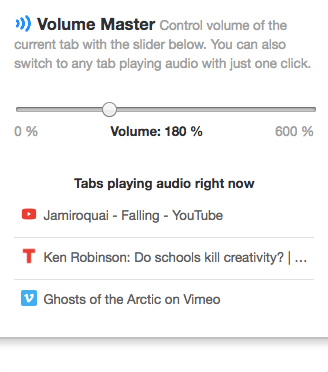
Up to 600% volume boost. The simplest and most reliable volume booster.

🚀 Features

  • ⭐️ Up to 600 % volume boost
  • ⭐️ Control volume of any tab
  • ⭐️ Voice boost - makes dialogues and podcasts easier to hear
  • ⭐️ Bass boost - enhance your music with an extra bass
  • ⭐️ Fine-grained control: 0 % - 600 %
  • ⭐️ Switch to any tab playing audio with just one click

✍🏻 User reviews

  • Honestly the most useful extension I have, right up there with adblock.
    — Rob Revercomb
You can read more reviews on the reviews page.

💡 Tip

Adjust volume with arrow keys – right after opening Volume Master press:
  • ⬆️ or ➡️ to volume up
  • ⬇️ or ⬅️ to volume down

📬 Any questions?

If you have any questions, comments, or feedback, feel free to contact me.

Other browser extensions

Surveying the SmarterMail 6919 Exploit: Understanding the Vulnerability and Its Implications

SmarterMail Under Fire: A Technical Deep Dive into the "6919 Exploit" and Mitigation Strategies

Introduction: The Whispers of a Critical Vulnerability

In the world of enterprise email hosting, SmarterMail has long been a popular choice for hosting providers and small-to-medium businesses seeking control and feature richness without the astronomical costs of Microsoft Exchange. Developed by SmarterTools, the platform boasts a loyal following.

Defensive Post-Mortem: Why Your Stack Failed

If you were hit by this, don't blame the vendor entirely. Your defense-in-depth failed here:

This specific exploit class has seen a resurgence in relevance due to recent high-profile breaches. In early 2026, SmarterTools itself was breached after an outdated, unpatched VM running SmarterMail was compromised, highlighting the long-term risk of leaving legacy builds like 6919 exposed . smartermail_rce.md - GitHub

Here’s what that meant in plain language: An attacker did not need a username, a password, or any prior access to the target SmarterMail server. By crafting a specially formatted HTTP POST request to a specific endpoint (often related to the importmail function or the Download.aspx handler), they could trick the server into treating a malicious file—like a web shell or a script—as a legitimate part of the email system.

Indicators of Compromise (IoC)

If you ran Build 6919 between October 2022 and January 2023, assume you are compromised. Do not just patch. Hunt for these:

  • All versions from SmarterMail 16.x to 100.x (prior to late 2021 patches) were vulnerable.
  • Public-facing SmarterMail installs (default ports 17001–17010 for HTTPS) were prime targets.
  • Hosting providers were hit hardest—a single exploit could pivot to customer mailboxes, reseller panels, and adjacent servers.

Because the payload contains a malicious "gadget chain," the process of rebuilding the object triggers the execution of unintended commands. Impact: Why It’s Dangerous